Brand systems at scale · Presentation & information design · Creative automation · Data-driven
Varna, Bulgaria — remote worldwide, open to contract
Design that survives contact with scale. For eleven years I owned the brand of a company that went from twenty people to five thousand. The artwork was never the hard part — the machine that produces it correctly, in 23 languages, every week, was.
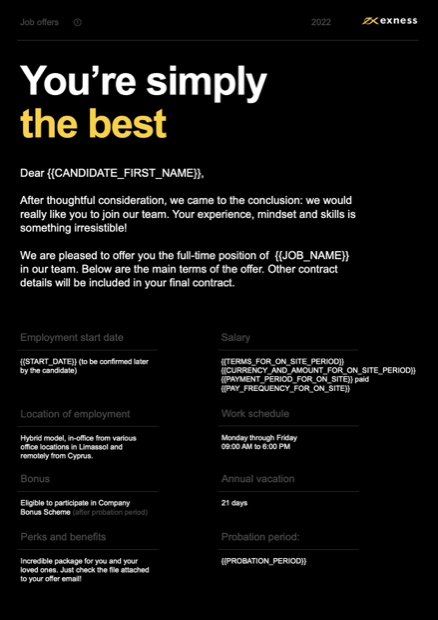
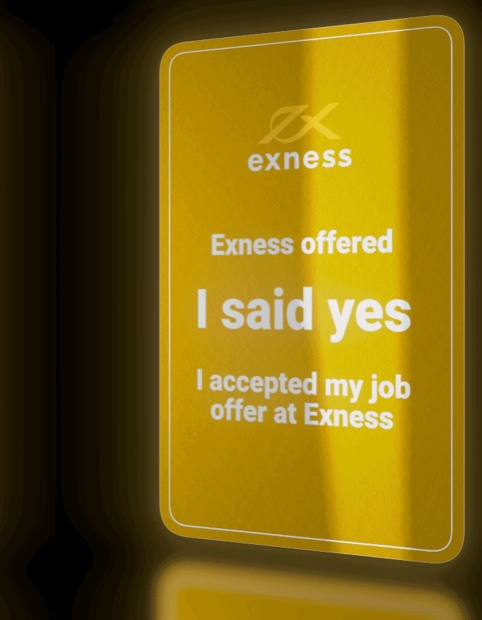
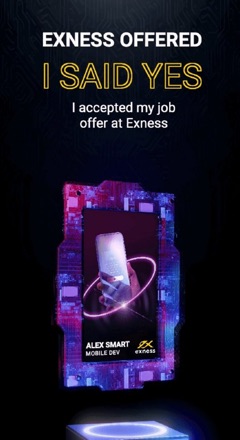
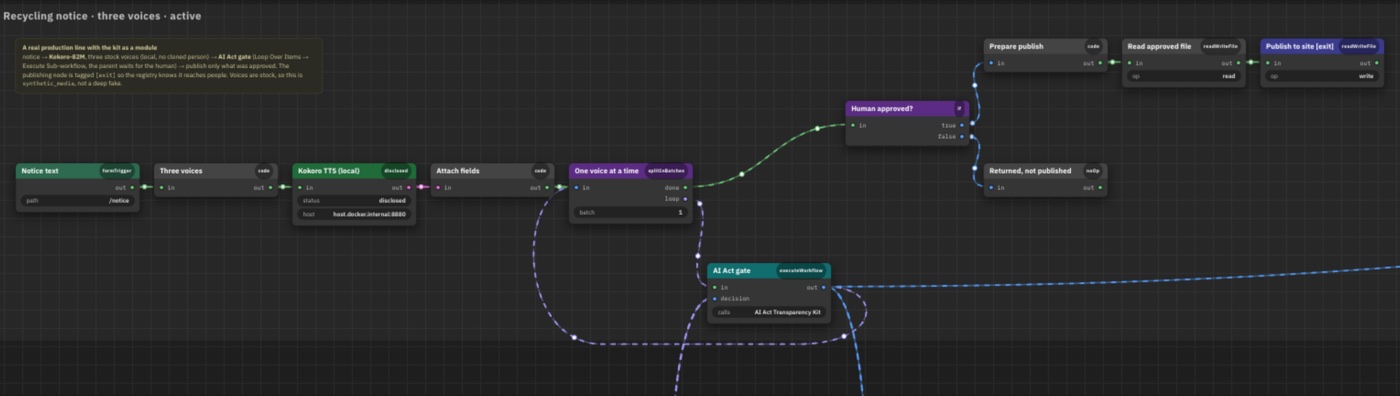
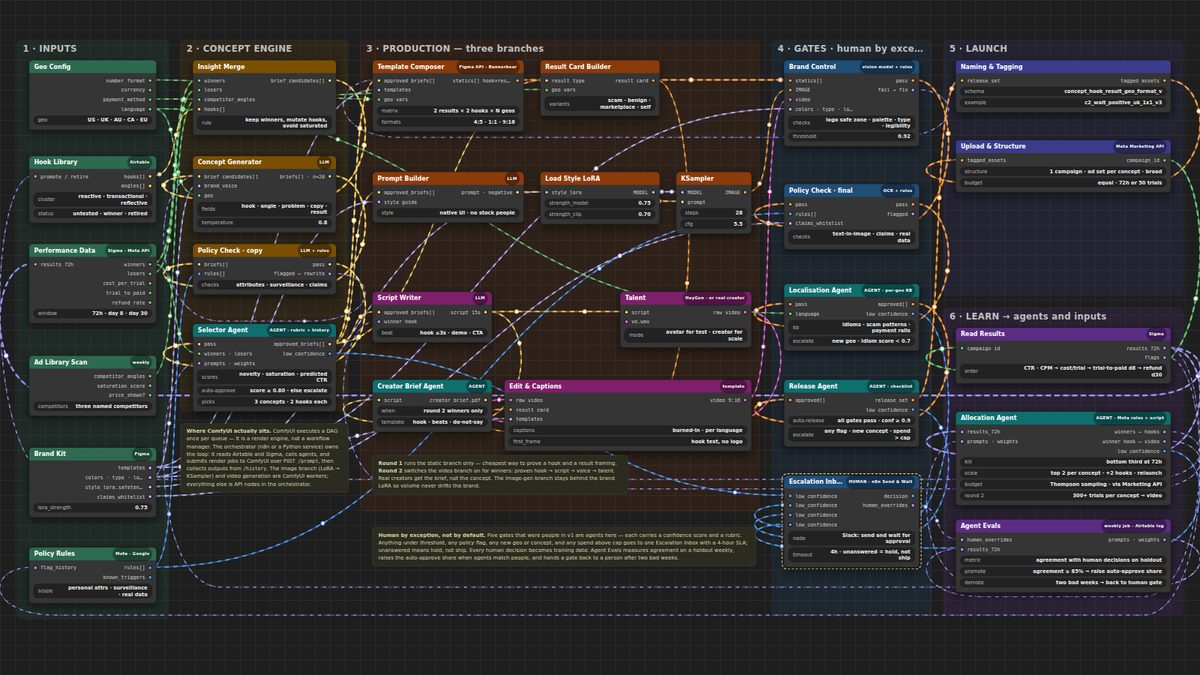
I build the production line, not just the poster. A Figma API and Airtable pipeline that removed the manual step from localised banner production across 23 language markets. Custom Midjourney style models so brand identity reproduces at scale instead of drifting. BambooHR REST API into personalised interactive PDF offers, then NFT certificates on Polygon — an industry-first use of blockchain for employer branding.
Design decisions I can defend with numbers. Conversion lift from iterative A/B testing, not from taste. CPA reduction from an SQL-integrated creative management system. Frankfurt Airport selected for out-of-home by weighted scoring matrix on CPM, GRP, passenger volume and geo-profile.
Brand governance under real pressure. Real Madrid, Cristiano Ronaldo, Red Bull Racing, Inter Milan, WWF — each with its own approval chain and no tolerance for a wrong shade. Gartner, Cisco and Dell through Curvature, where the slide goes to a CIO.
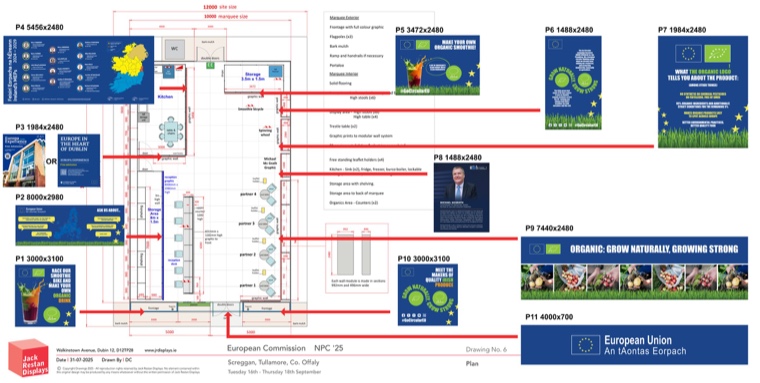
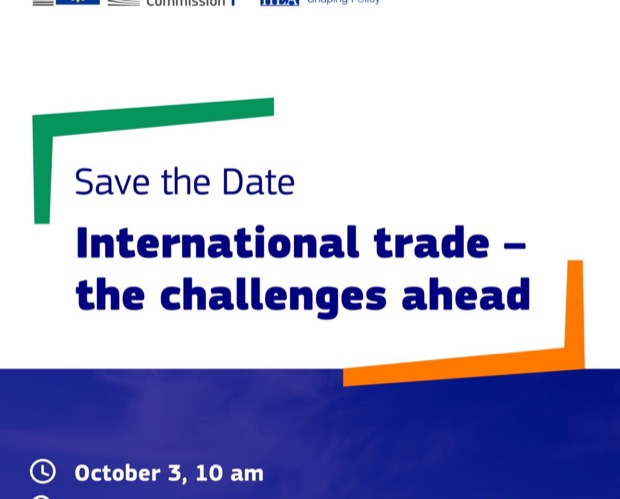
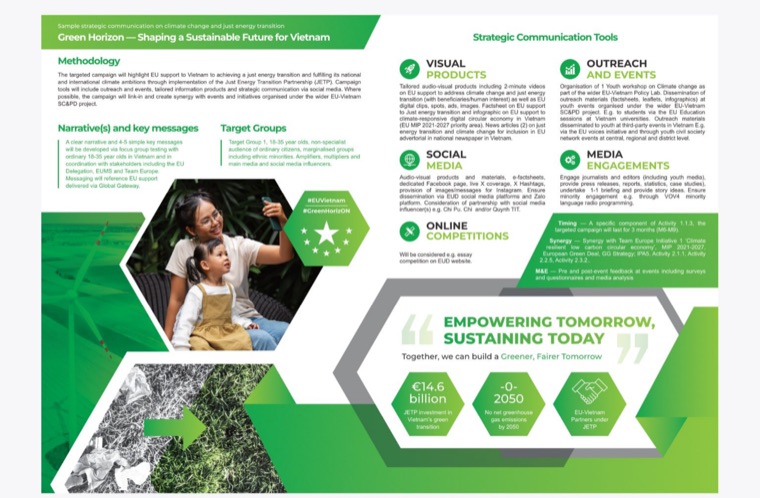
Institutional register. European Commission and European Parliament deliverables through GDSI. A different discipline entirely: a tender is read by a committee scoring you against a rubric, not by someone who likes your work.
Trained as an engineer. Licensed Chief Engineer of Projects before I was a designer. That is why every creative problem starts, for me, as a systems problem.


Full case studies with process and credits on Behance · shots on Dribbble
Challenge. Own the visual identity of a fintech from twenty people to five thousand, across 23 language markets, without the brand fragmenting.
A brand system that held together through 250× headcount growth and 23 simultaneous markets — and a 50%+ landing page conversion increase from iterative A/B testing on Unbounce.
Challenge. The hardest audience is not the one that dislikes your work. It is the one with ten minutes, no context, and a decision to make. Board members, CIOs, evaluation committees.
A separate discipline from brand design, and a rarer one. A committee does not ask whether it is beautiful — it asks whether the answer is findable in the time it has. I build for that, and for the boardroom, with the same hands.
Challenge. Localised banner production across 23+ markets was a manual bottleneck. Creative testing was slow enough that winners deployed after the campaign had moved on.
20–25% CPA reduction with CTR improvement, across pools of 6–8 creative variants per campaign.
Challenge. Manual offer generation for premium candidates, with no way to make an offer document verifiable.
Full automation of the HR offer process, plus an employer-branding artefact nobody else in the sector had.
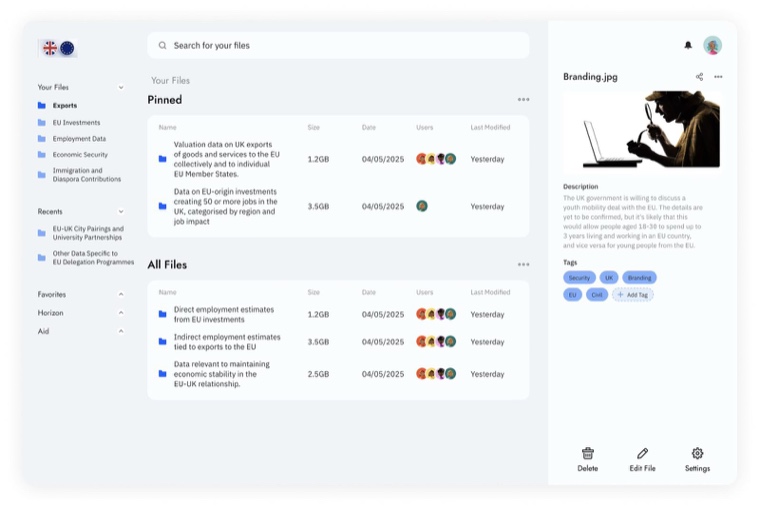
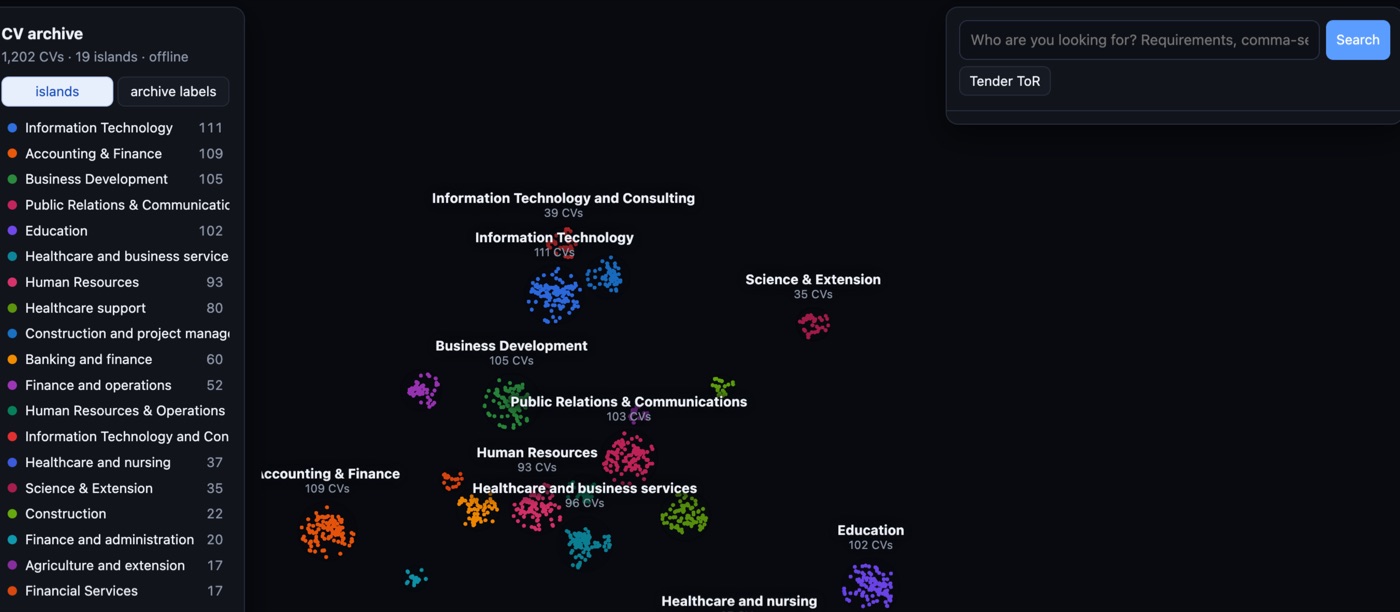
Challenge. Aggregate heterogeneous multi-expert and financial inputs into proposals that score well with an EU evaluation committee.
Challenge. Turn dense Gartner analyst research into material a C-suite audience will actually read and decide from.
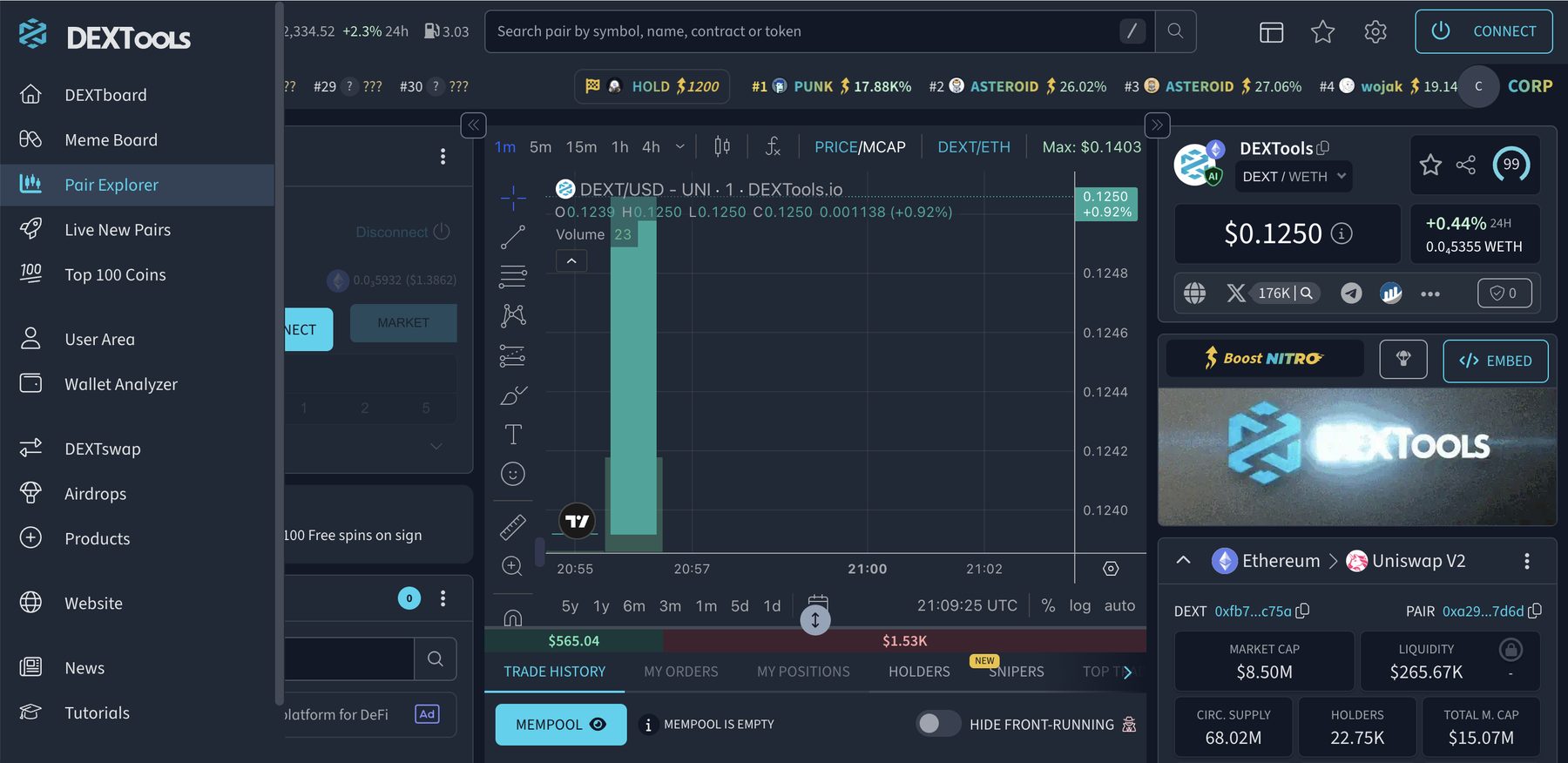
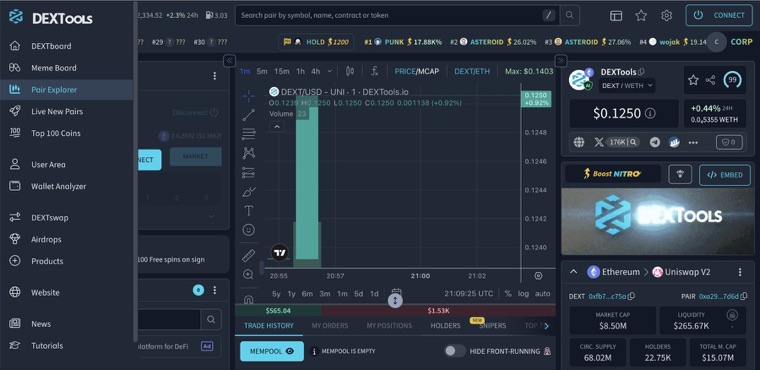
Challenge. Identify where a leading DeFi analytics platform loses users to its own information density.
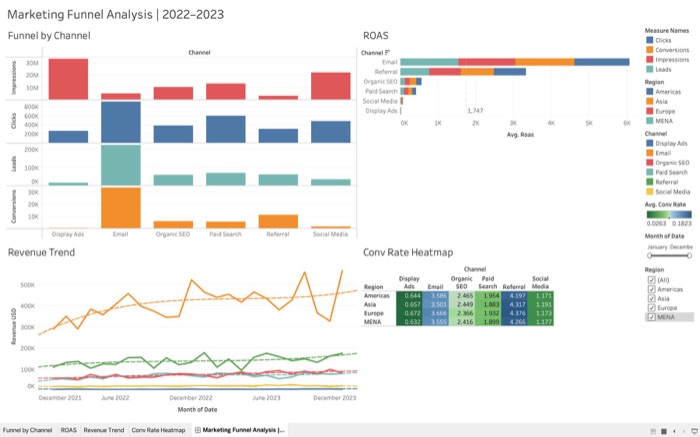
Prioritised, actionable recommendations delivered as narrative video rather than a deck — data storytelling as the deliverable itself.
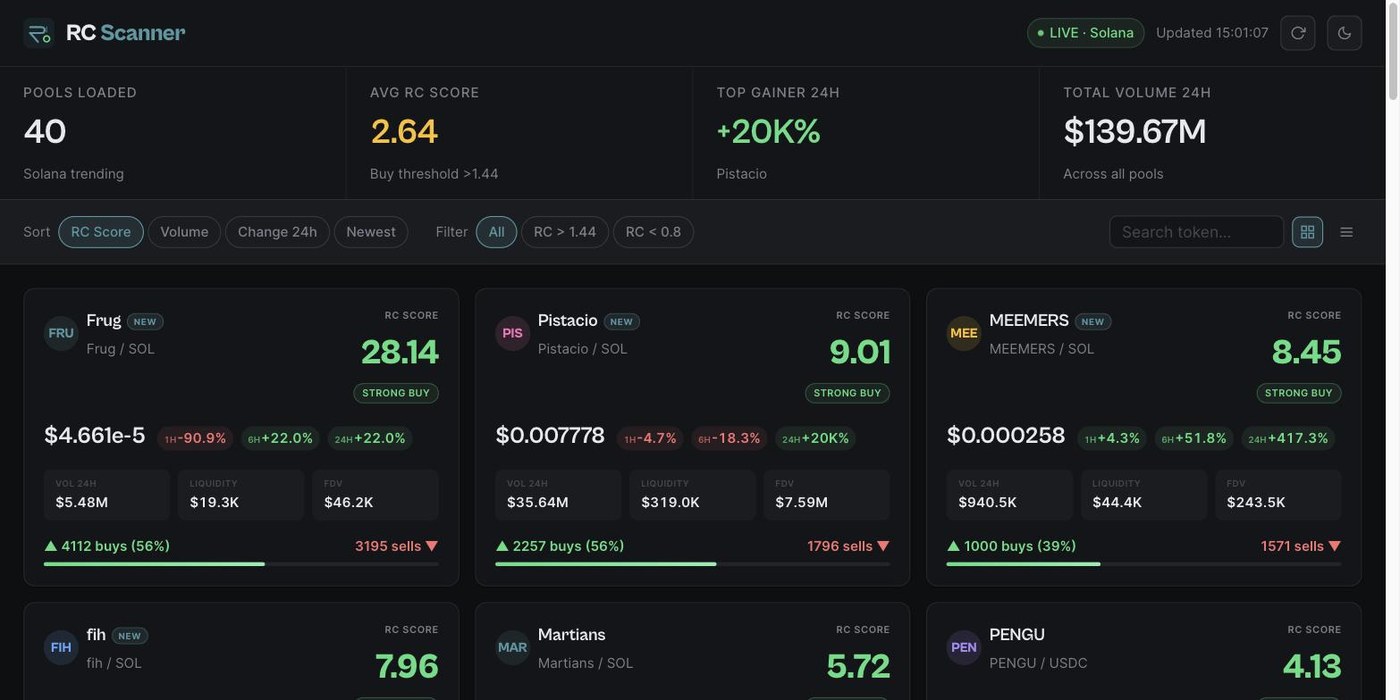
Challenge. Build a statistically validated signal tool for Solana DEX tokens, where existing platforms surface noise.
A live production tool. The interface, the statistics and the deployment — all mine. See it running →
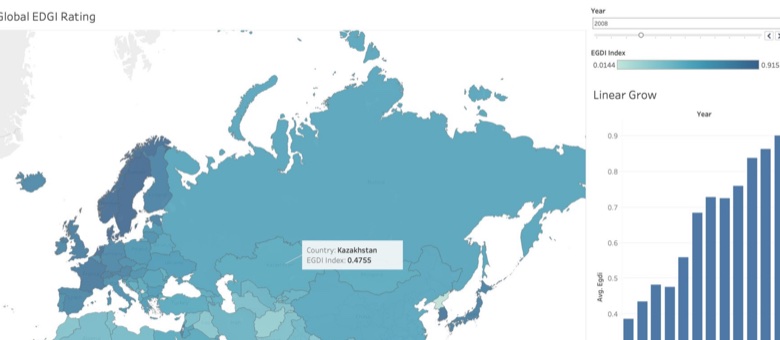
Challenge. Standardise data across 8,000+ government forms from incompatible ministries for a national platform.
Unique data fields reduced by ~40%. egov.kz now ranks in the global top 10 of the UN E-Government Development Index 2024.
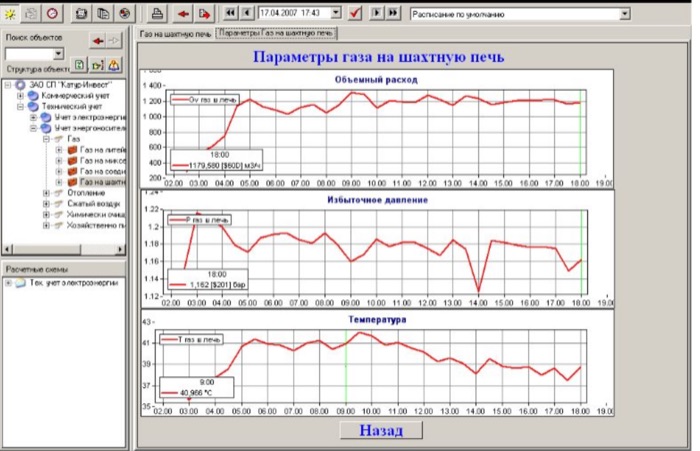
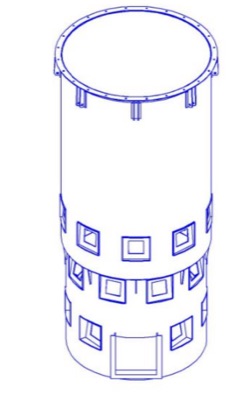
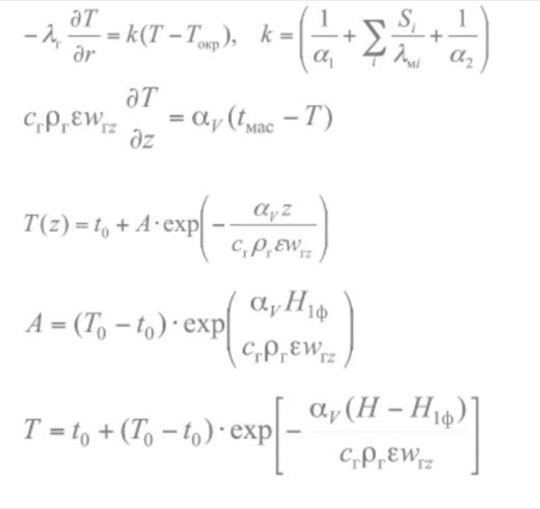
Where the systems thinking comes from. Licensed Chief Engineer of Projects for industrial infrastructure serving LUKOIL and Gazprom, working to ISO and GOST standards.
Production costs cut by 17%+ at Katur Invest, verified by the client.